Maintaining high quality across dozens or hundreds of episodes is a massive hurdle for long-running anime. While many shows eventually run out of steam, a select few manage to stay gripping, offering deep character development, rich narratives, and consistent excellence from start to finish.
Whether exploring grand military campaigns, passionate sports journeys, touching coming-of-age stories, or sprawling adventures, these series prove that consistency is possible. Through brilliant writing, immersive world-building, and carefully structured character growth, they ensure that every single episode feels impactful and keeps audiences hooked worldwide.
The Beast Player Erin Blends Rich World-Building With Powerful Emotional Storytelling

The 50-episode run of The Beast Player Erin is purposefully designed to follow the protagonist from the age of ten to eighteen. The narrative transitions through major life chapters—from her childhood with her mother Soyon, to her adolescence under Joh-on, and eventually into young adulthood at Kazalum. Each phase is given ample time to develop real emotional weight before moving forward.
This patience extends to the setting as well. The brewing political conflict between the Grand Duke and the Queen unfolds slowly, ensuring that Erin’s bond with Lilan feels immensely significant by the time war breaks out. Nahoko Uehashi utilizes all 50 episodes to deeply explore Erin’s relationships, giving her later, pivotal decisions a sense of hard-earned inevitability.
Ace Of Diamond Excels Through Outstanding Team Dynamics And Continuous Growth
-
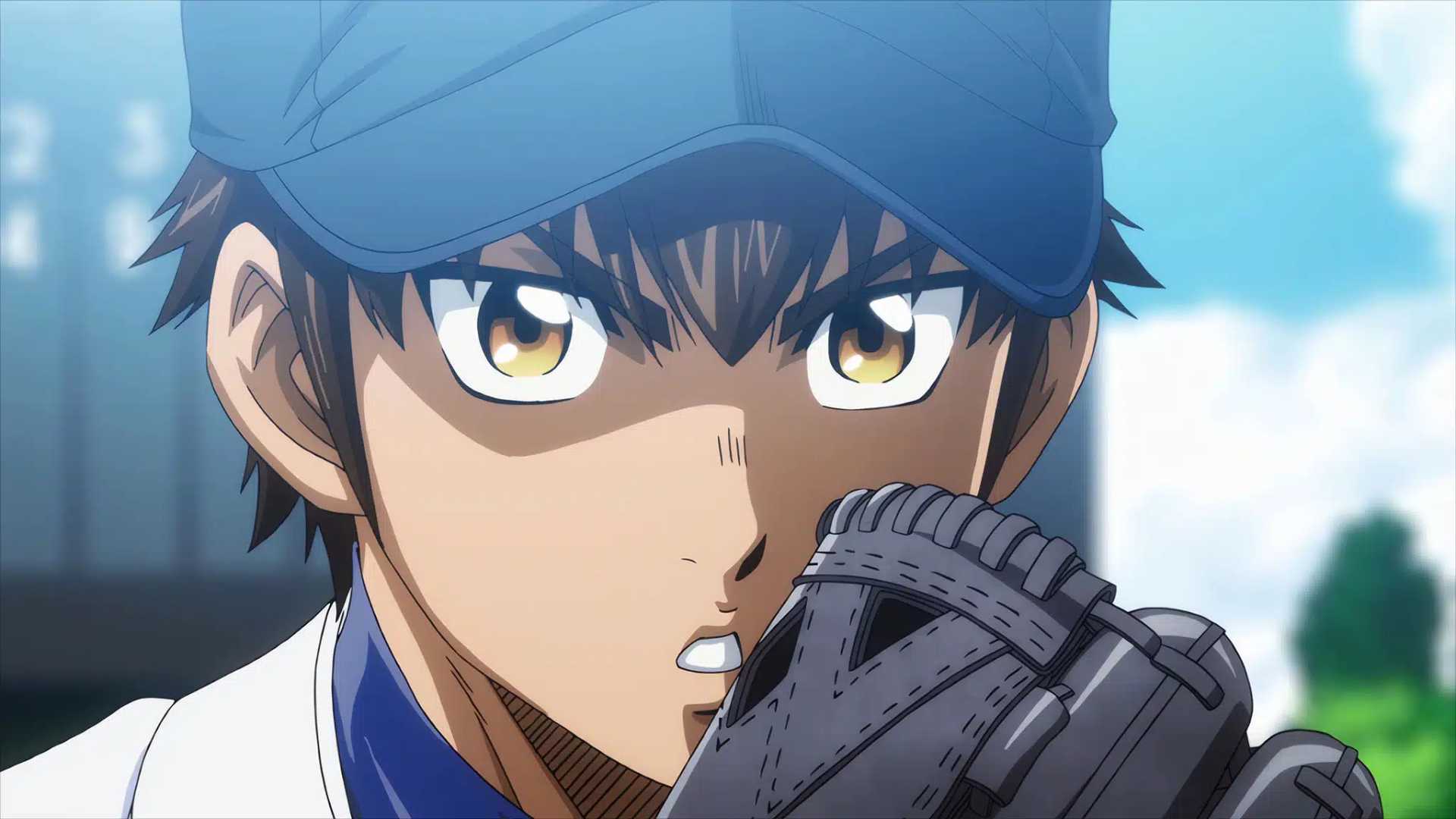 Image via OLM
 -
.jpg?q=49&fit=contain&w=1400&h=700&dpr=2) Image via Madhouse
Image via Madhouse -
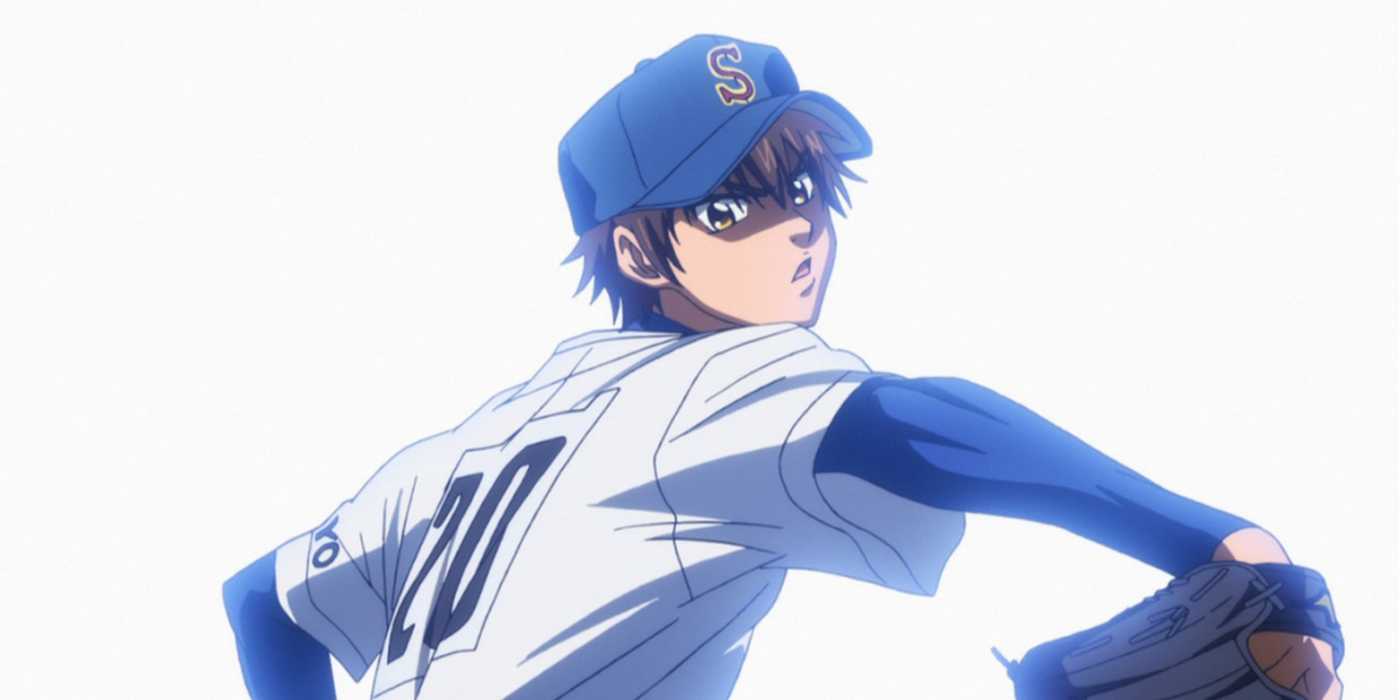 Image via Madhouse
Spanning well over 100 episodes, Ace of Diamond builds a deep appreciation for the sport in its viewers. It meticulously tracks how the pitching duo of Eijun Sawamura and Miyuki Kazuya progresses through numerous games against well-defined rivals. Because of this dedication, later tournament matches act as rewarding payoffs for character groundwork and strategies introduced seasons prior—something shorter sports series simply cannot achieve.
Subplots like Furuya and Sawamura’s rivalry, Kominato’s leadership growth, and the senior players’ final tournament receive the spotlight they deserve. While few sports anime manage an ensemble cast of this size for so long, Ace of Diamond succeeds because it fully commits to the long haul.
Ashita No Joe Redefined Sports Storytelling In Anime
-
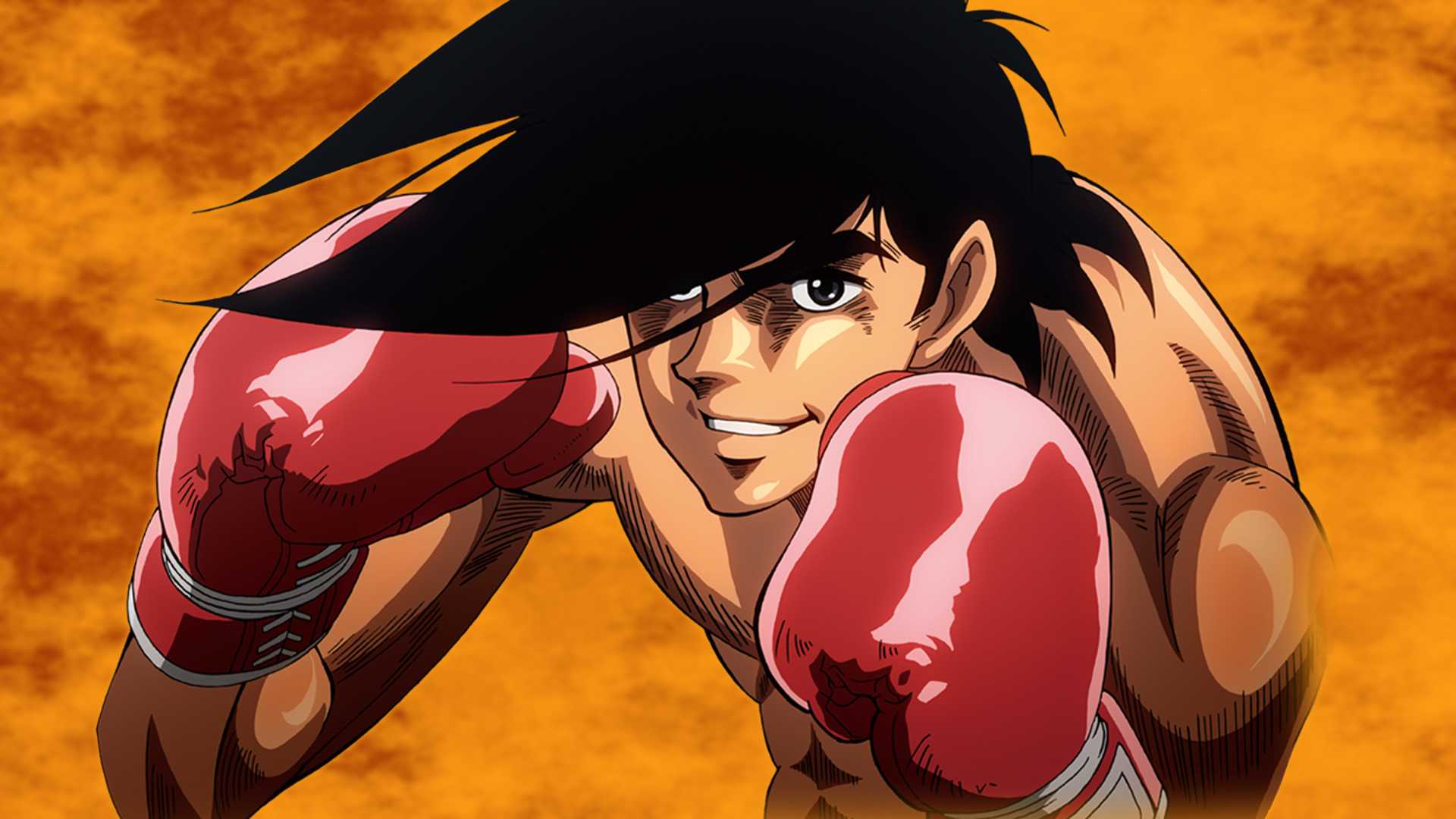 Image via Mushi Production
 -
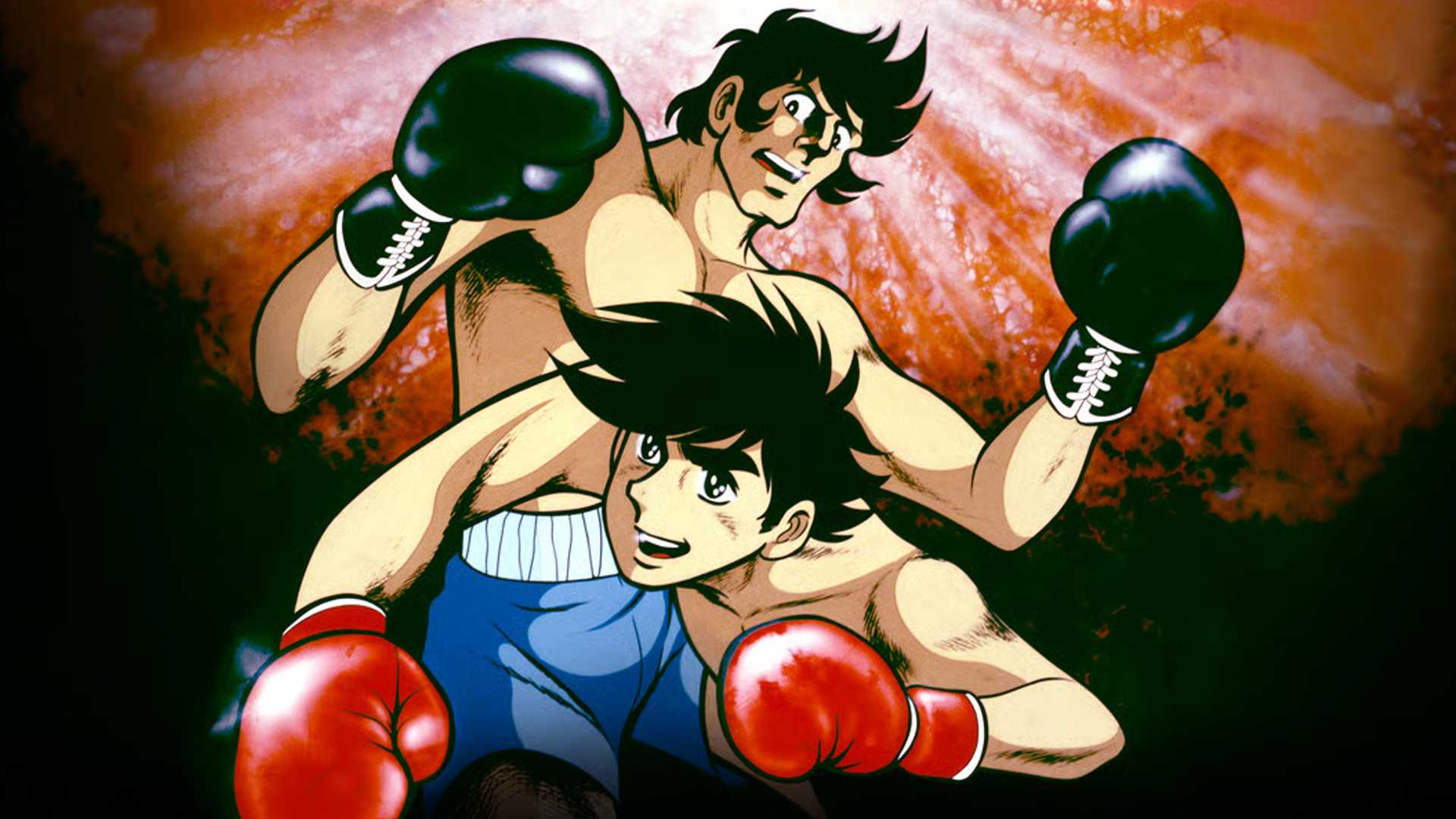 Image via Crunchyroll
 -
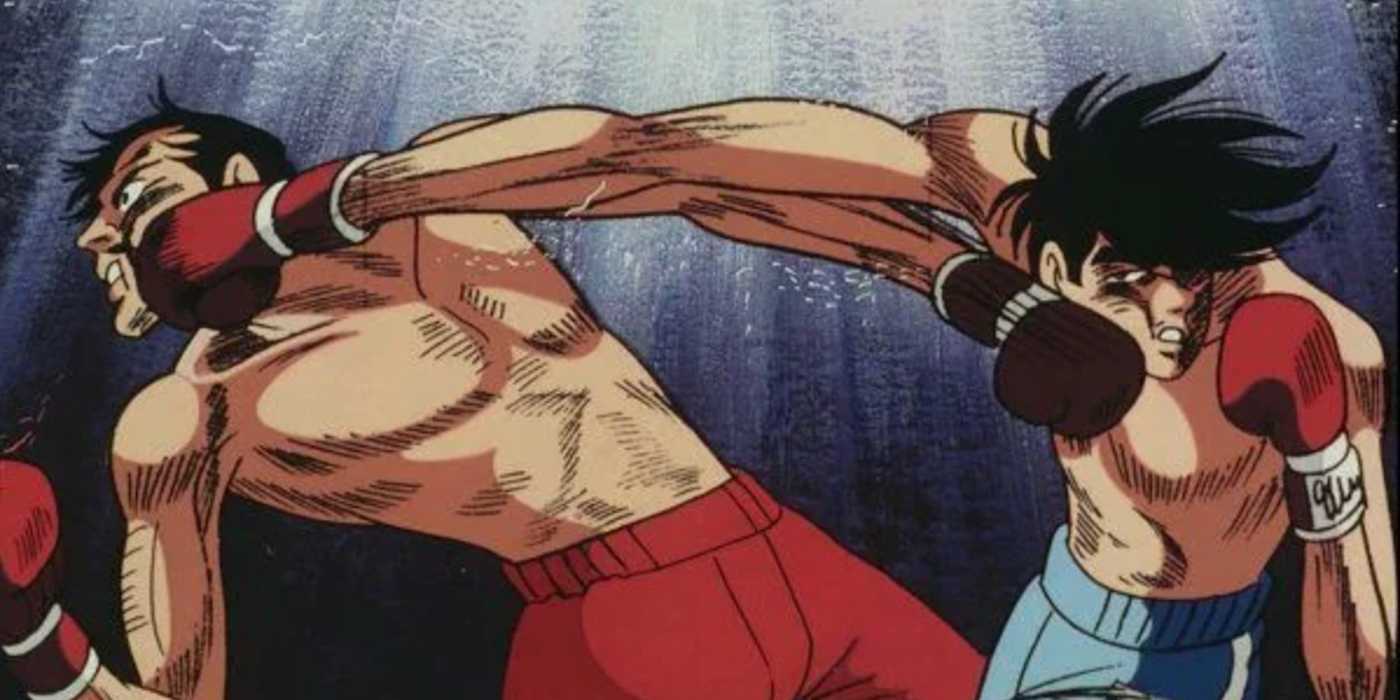 Image via Mushi Production, Tokyo Movie Shinsha
Ashita no Joe uses its full runtime to explore the true physical and psychological toll of a boxing career. Joe Yabuki’s journey from the slums doesn’t simply wrap up after a single big win; instead, creator Ikki Kajiwara continuously complicates his path with prison stints, brutal weight cuts, injuries, and the heavy emotional trauma stemming from Rikiishi’s death in the ring.
Every new chapter forces Joe to rethink his relationship with boxing rather than just unlocking a new level of power. His ultimate battle against Jose Mendoza carries the cumulative weight of every previous match, making his final, motionless stance a profoundly fitting conclusion.
Major Follows One Hero’s Journey Across An Entire Lifetime

Spanning six seasons, Major tracks Goro Honda’s entire baseball life from Little League all the way to the professional leagues in America, setting it apart from standard sports anime focused on a single tournament. Takuya Mitsuda resists the urge to keep Goro at peak performance, putting him through severe injuries, arrogance, devastating failures, and personal reinventions over the years.
A prime example is Goro’s major shoulder injury. Having to reinvent himself as a control pitcher after losing his trademark fastball means letting go of a playstyle built up across dozens of earlier episodes. The audience feels the gravity of this loss precisely because they watched him establish that identity years prior.
Yu Yu Hakusho Is Full of Memorable Battles And Iconic Characters

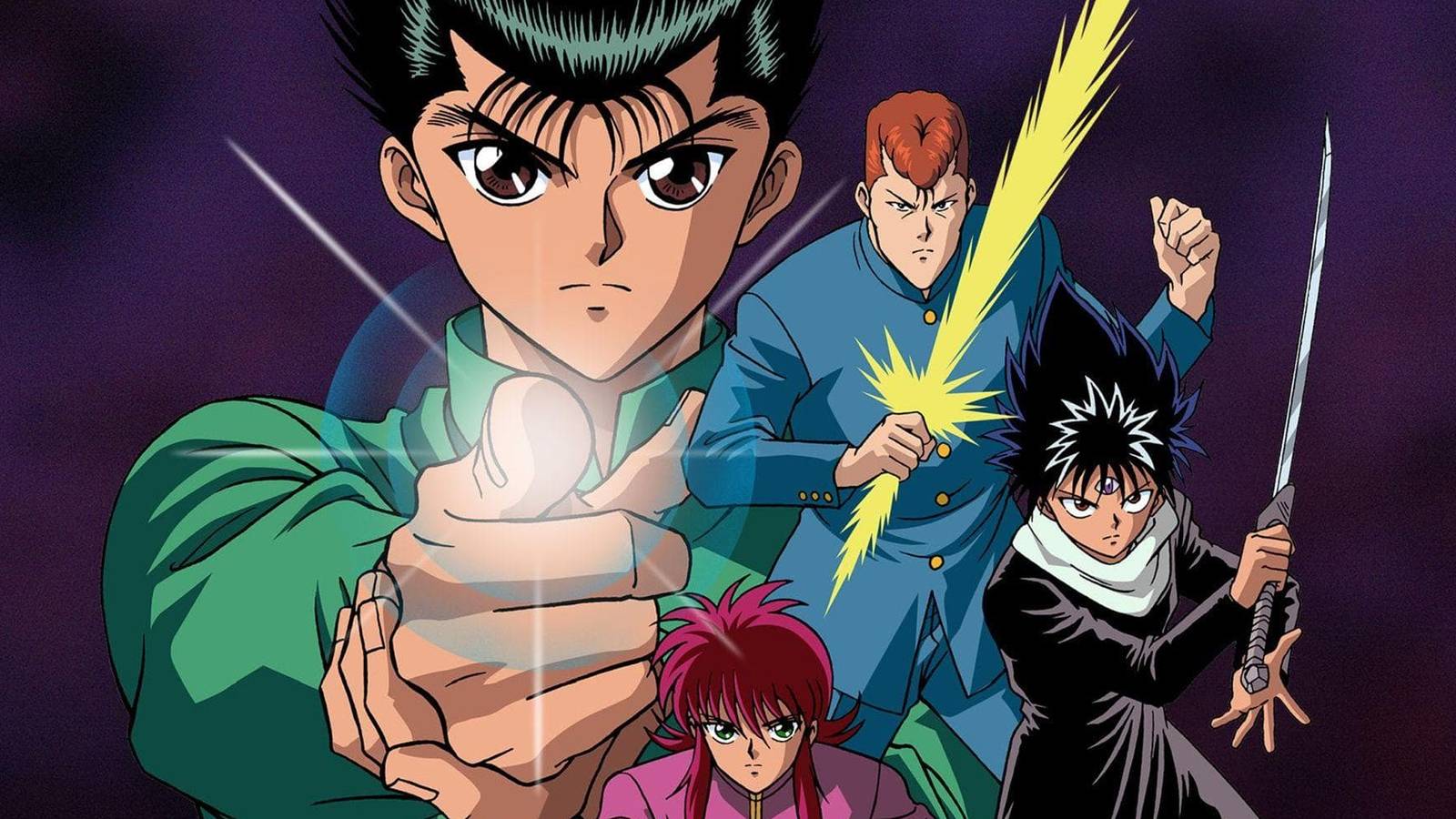
The generous episode count of Yu Yu Hakusho allows Yoshihiro Togashi to develop character philosophies gradually across multiple arcs rather than relying on one-off statements. Yusuke’s fighting approach evolves naturally from the Spirit Detective arc through the Dark Tournament and into Chapter Black, while Kurama, Hiei, and Kuwabara all receive enough screentime to showcase their unique combat styles and moral codes.
The Dark Tournament arc thrives on this runtime, presenting numerous individual matches that establish the inner dynamics of each team before the main events unfold. Later, the Chapter Black arc recontextualizes the series by introducing Sensui—a complex villain whose split personalities and ideological conflict require the audience’s deep-seated trust in the narrative to truly land.
Natsume’s Book Of Friends Delivers Quiet Brilliance Across Every Season

Spanning seven seasons of largely episodic storytelling, Natsume’s Book of Friends focuses on Takashi Natsume as he returns names to yokai tied down by his grandmother’s book. Through numerous gentle encounters, the series builds a poignant portrait of a boy learning to accept kindness after a lonely childhood—a portrait that only fully resonates thanks to the show’s patient pacing.
Additionally, the length allows the yokai to be much more than generic monsters of the week. Familiar spirits return across seasons to form genuine bonds with Natsume, while his relationship with Nyanko-sensei deepens organically through hundreds of small interactions rather than forced dramatic shifts.
Touch Perfectly Balances Romance, Friendship, And Baseball

Touch diverges from conventional sports anime when Kazuya’s sudden death midway through the series completely shifts the narrative focus. Mitsuru Adachi uses the identical appearance of the twin brothers to examine identity and expectation, exploring how to move forward when someone destined for greatness is unexpectedly gone.
Tatsuya’s journey toward Koshien carries the weight of Kazuya’s unfulfilled dreams, with baseball acting as the primary outlet for his grief. Meanwhile, the romance between Minami and Tatsuya blossoms naturally through years of close proximity, quiet moments, and shared heartbreak.
Adachi relies heavily on this long-term foundation; even a simple scene of the two leads standing apart carries deep emotional resonance built over dozens of episodes. The eventual Koshien climax resolves tension that the entire series meticulously built up, making it one of anime’s most quietly devastating moments.
Space Brothers Combines Realism, Heart, And Exceptional Character Development

Across its 99 episodes, Space Brothers lets the audience truly feel the grueling reality of Mutta Nanba’s journey into the cosmos. By taking its time to show him failing, dusting himself off, and slowly regaining his self-belief through intense evaluations and technical tests, the series accurately reflects how long and demanding such a career path is in real life.
The extensive run also gives space to a fantastic supporting cast of fellow candidates, JAXA personnel, and NASA instructors, each with their own intersecting subplots. When Mutta finally makes it to space in the latter half of the series, the milestone feels completely earned because of the long road it took to get there.
Kingdom Grows More Ambitious And Rewarding With Every Season

Kingdom validates its multi-season run by treating the unification of China as a complex, gradual undertaking. The narrative ensures viewers grasp the political and tactical significance behind every military campaign and alliance. Whether focusing on internal reforms in Qin under Ei Sei or the rise of legendary generals, the series makes every battle feel like the natural consequence of prior choices.
This approach shines brightest in massive storylines like the Coalition Army invasion, where the stakes feel enormous simply because previous seasons established what Qin stood to lose. Iconic commanders like Ouki and Renpa build legendary status over hundreds of episodes, turning their eventual fates into powerful historical drama.
Legend Of The Galactic Heroes Sets The Gold Standard For Long-Form Storytelling

Few anime justify a massive 110-episode run quite like Legend of the Galactic Heroes, as its sprawling scope is vital to its core message. Yoshiki Tanaka’s epic requires an expansive timeline to illustrate how democratic systems slowly decay, how autocratic efficiency breeds complacency, and how extraordinary figures influence history without ever entirely mastering it.
The ripple effects of Kircheis’ death shape Reinhard across sixty episodes, while Yang’s assassination hits with the emotional weight of a character the audience has spent years understanding. Supporting players like Oberstein, Bucock, and Merkatz are given enough screen time to represent fully realized perspectives on loyalty, pragmatism, and morality rather than acting as mere background faces.