While fleeting trends and flashy graphics fade over time, true masterworks in the anime medium endure through thoughtful writing, unforgettable characters, and deep thematic resonance. A truly great series rewards multiple viewings, consistently revealing fresh nuances, deep emotional resonance, and ideas that stay just as fresh and meaningful as they were upon their original premiere.
A handful of incredible shows have quietly drifted away from daily pop-culture discussions, despite holding up exceptionally well with age. Their narratives continue to offer rich characters, timeless conflicts, and masterclass pacing that don’t rely solely on nostalgia or cutting-edge technical styles. Each of these titles merits a revisit, proving that their greatest qualities have only grown more striking as industry trends have evolved.
Yu Yu Hakusho Still Delivers Some Of Shonen’s Strongest Character Growth
-
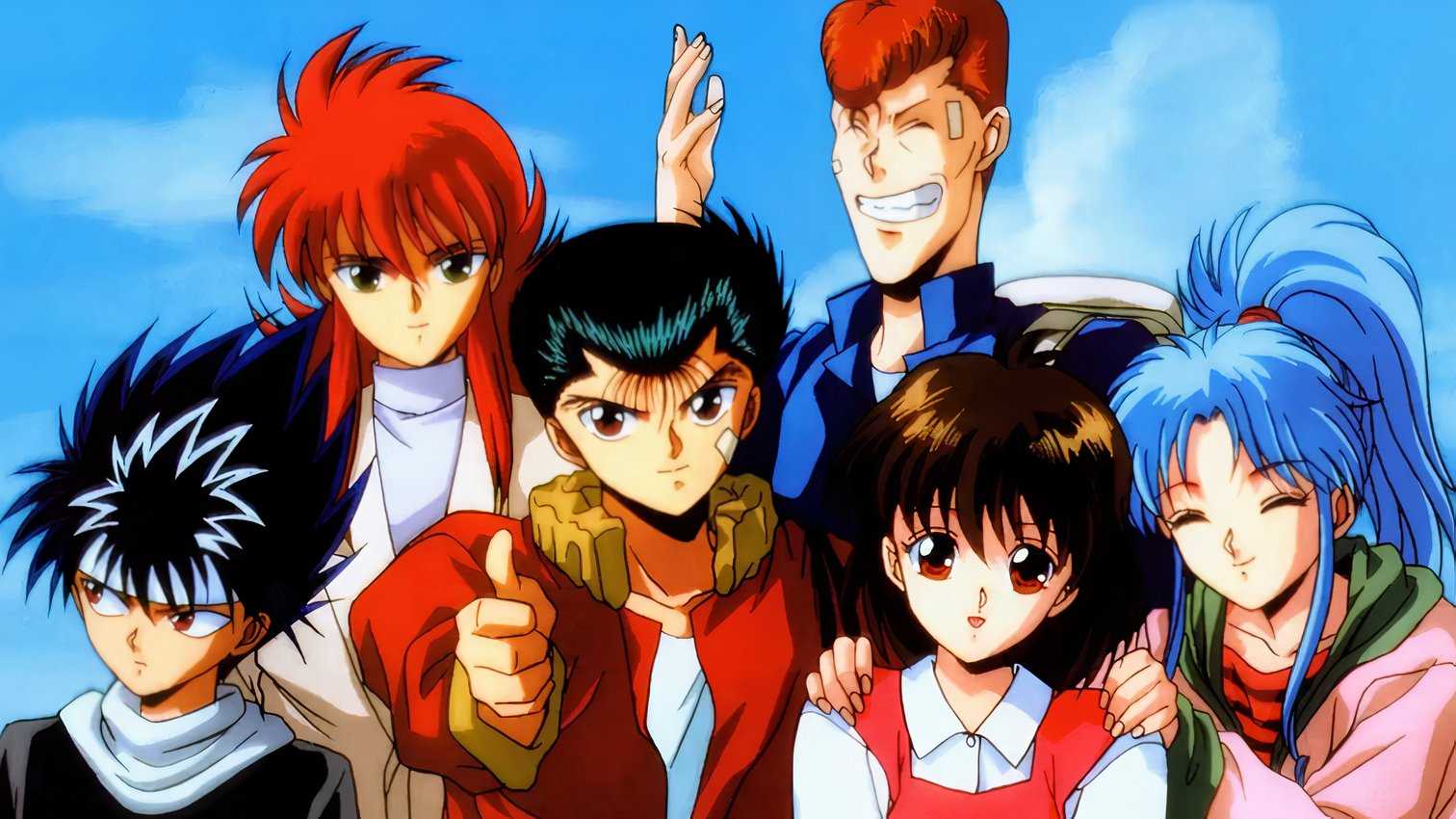 Image via Studio Pierrot
 -
 Image via Studio Pierrot
 -
 Image via Studio Pierrot
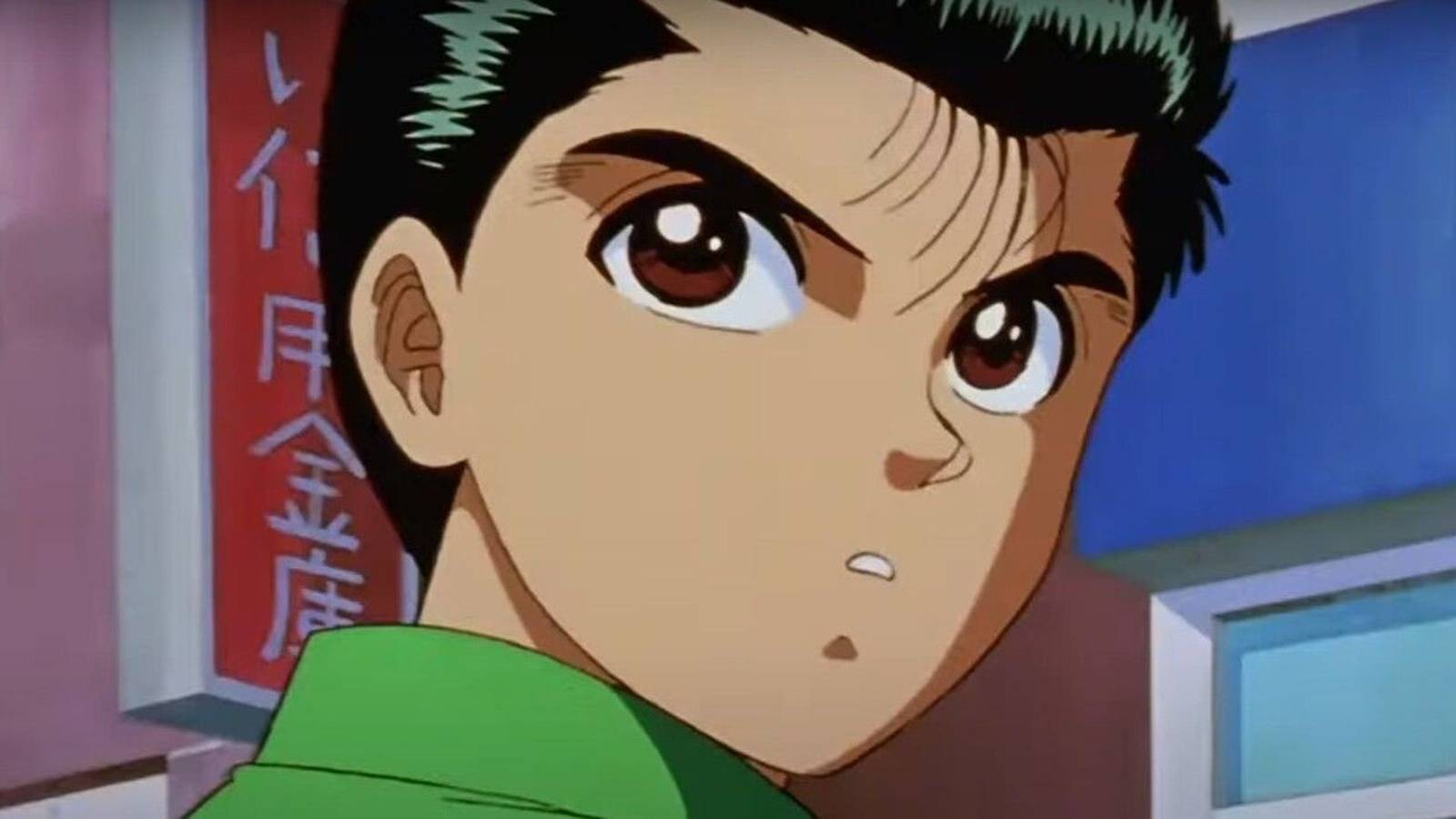
In Yu Yu Hakusho, Yusuke Urameshi starts out as a reckless, self-centered delinquent, which makes his gradual evolution into a reliable protector feel profoundly earned. Instead of simply testing his power levels, every major storyline forces him to confront his inner core values, ensuring that his triumphs signify psychological and emotional maturation rather than mere physical upgrades. The legendary Dark Tournament arc shines because every single combat scenario builds up interpersonal bonds, rivalries, and philosophical stances instead of existing just to show off flashy new powers.
Alongside Yusuke, characters like Kazuma Kuwabara, Hiei, and Kurama undergo parallel development rather than functioning as flat background sidekicks. Their contrasting personalities foster genuine friction and unexpected bonds that keep the primary cast dynamic engrossing throughout the entire run. Even today, contemporary battle shonen series continue drawing inspiration from narrative beats that Yu Yu Hakusho perfected decades ago.
Trigun Balances Comedy And Tragedy Without Losing Its Emotional Core

At first glance, Vash the Stampede presents himself as a goofy, happy-go-lucky gunslinger masking a legendary bounty, but Trigun steadily unveils the deep-seated trauma underlying his constant humor. This stark tonal duality grants the narrative immense emotional depth, using lighthearted escapades to set up heavy, hard-hitting moral dilemmas down the line. Every major crisis forces characters—and the audience—to ponder whether absolute pacifism can truly endure in a cruel, lawless universe without opting for easy cop-outs.
The introduction of Nicholas D. Wolfwood elevates the script through his complex partnership with Vash, sparking debates that deeply challenge both men’s definitions of justice and mercy. Their clashing worldviews turn every dialogue-heavy sequence into pure gold, as neither protagonist manages to completely dismiss the other’s ideology. Trigun succeeds brilliantly by treating forgiveness with unflinching sincerity instead of framing kindness as a naive weakness.
Ghost In The Shell Stand Alone Complex Feels More Relevant Than Ever

Ghost in the Shell: Stand Alone Complex examines digital identity, state surveillance, and advanced technology with a foresight that feels genuinely eerie in today’s landscape. Major Motoko Kusanagi continually questions the essence of human consciousness in a society where cybernetics completely blur the barrier between flesh and circuitry. Fortunately, these existential inquiries never bog down the pacing, as every case wraps into thrilling investigative procedurals and pulse-pounding action set pieces.
Section 9 functions best as a collaborative unit rather than a one-woman show, allowing Batou, Togusa, and the rest of the operatives to bring unique points of view to every assignment. The series excels at interweaving standalone cyber-crimes with sweeping political conspiracies that slowly alter the socioeconomic fabric of its world. Countless modern sci-fi anime entries still trace their roots back to the deep conceptual frameworks pioneered by Stand Alone Complex.
Black Lagoon Makes Every Moral Choice Feel Uncomfortably Human

Black Lagoon thrusts average corporate employee Rokuro Okajima into the lawless harbor city of Roanapur, forcing him to adapt quickly to a criminal underworld governed by survival instincts and impossible compromises. His slow descent and transformation into “Rock” is mesmerizing precisely because the narrative refuses to lean on cartoonish distinctions between heroes and villains. Each perilous expedition pulls him further from the sheltered, orderly existence he once took for granted.
Revy’s volatile demeanor provides high-octane friction, though her hidden emotional scars gradually shed light on the inner pain fueling her explosive outbursts. Meanwhile, Dutch, Benny, and Balalaika round out an ensemble that elevates the show far above a standard mob shoot-em-up. Few action series tackle dark ethical gray areas with such raw bravado while keeping adrenaline levels maxed out from start to finish.
Hajime No Ippo Continues Inspiring Sports Anime Through Honest Determination
-
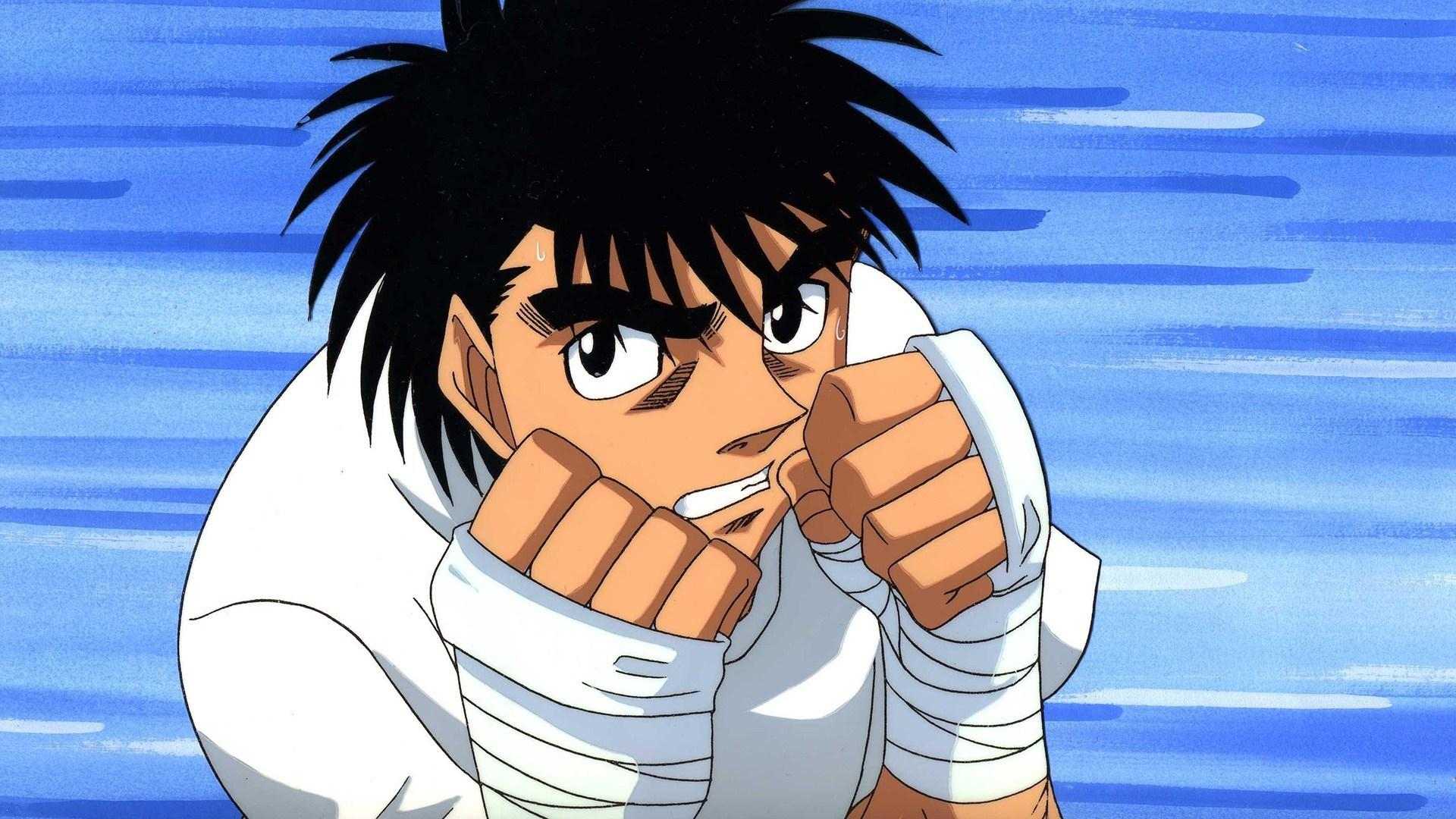 Image via Madhouse
 -
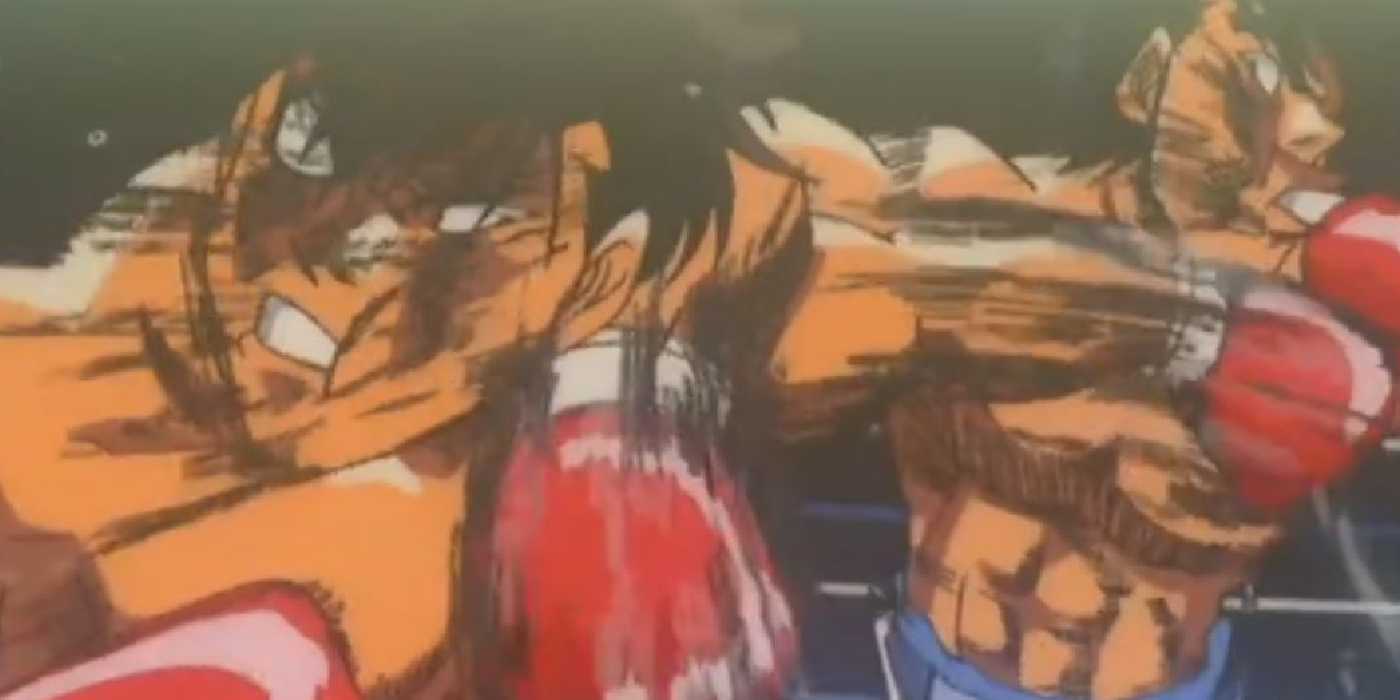 Image via Madhouse
 -
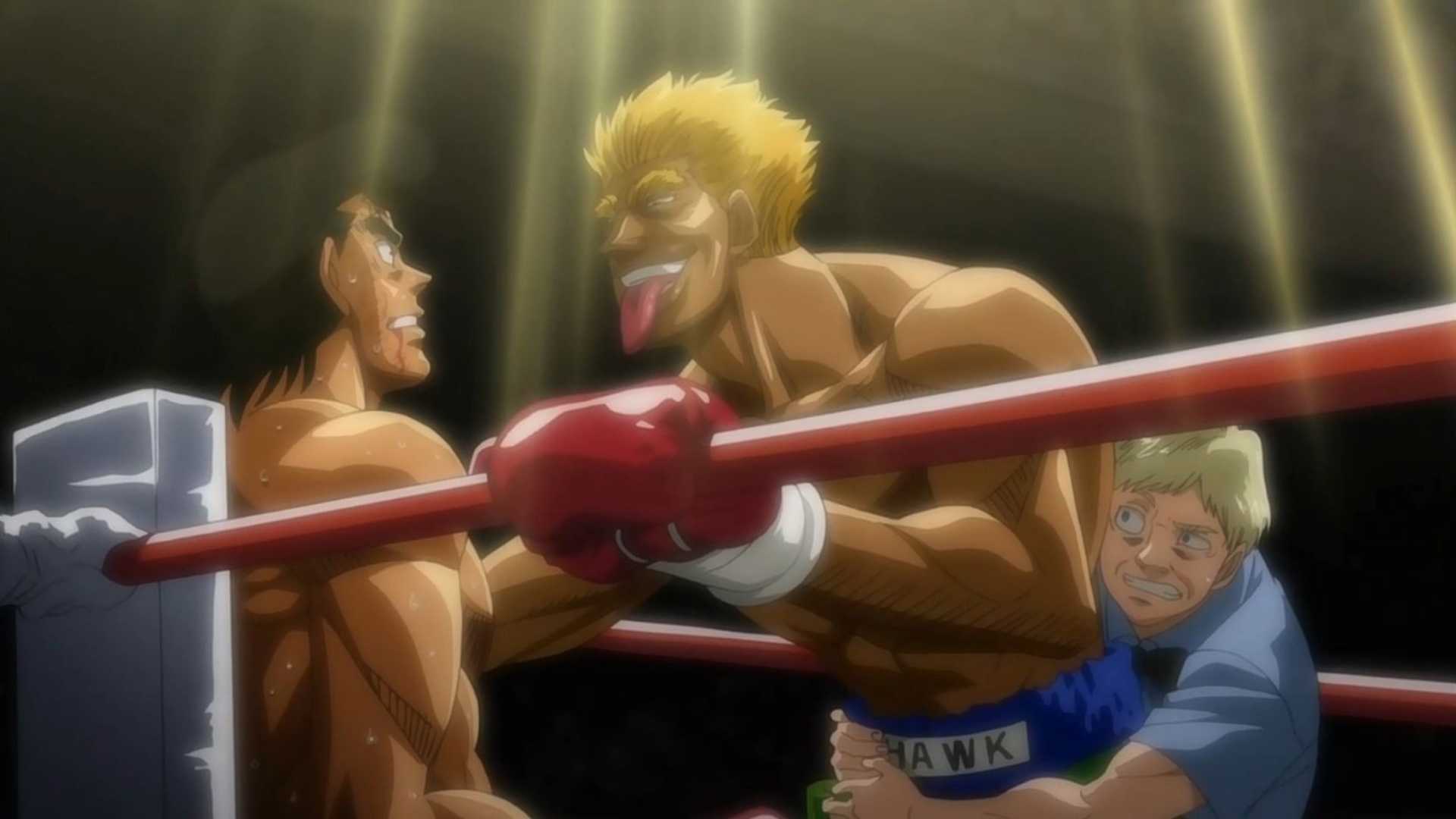 Image via Madhouse
Ippo Makunouchi steps into the boxing ring completely devoid of natural-born bravado, anchoring his triumphs in gritty discipline, endless patience, and sheer blood, sweat, and tears rather than innate prodigy status. His victories hit hard because the narrative takes the time to spotlight the grueling sacrifices behind every breakthrough instead of rushing him straight to championship belts. Furthermore, rival fighters receive robust backstories and development, turning every match into a profound collision of personal aspirations rather than a mindless sports showdown.
Figures like Mamoru Takamura, Ichiro Miyata, and the faithful crew at the Kamogawa Gym push Ippo forward through tough love, fierce competition, and invaluable mentoring that echoes long after the final bell rings. The series champions perseverance without pretending that success comes easily or overnight, giving every physical bout genuine emotional stakes. That authentic dedication is precisely why Hajime no Ippo remains just as exhilarating and motivating today as it was on day one.
Baccano! Rewards Every Rewatch With New Connections

Baccano! defies a traditional chronological structure, yet every seemingly disparate narrative thread eventually clicks together into a masterfully orchestrated puzzle. The plot hops seamlessly across different decades, cities, and viewpoints without losing its narrative grip, utilizing every puzzle piece to weave a massive tapestry. This distinct approach ensures high replay value, encouraging viewers to catch subtle foreshadowing and view early scenes through a brand-new lens.
The iconic duo Isaac Dian and Miria Harvent supply a whimsical, chaotic warmth that brilliantly balances the darker undertones of immortal bloodshed and mafia warfare. Meanwhile, standouts like Ladd Russo, Claire Stanfield, and Firo Prochainezo leave a lasting mark because the script refuses to relegate anyone to mere set-dressing. Few anime manage to blend mystery, dark comedy, pulp action, and suspense with such effortless flair while remaining completely airtight throughout.
Paranoia Agent Turns Everyday Fear Into Unforgettable Psychological Drama

Paranoia Agent dissects societal pressure, collective paranoia, and hidden guilt through an anthology-style approach that feels startlingly applicable to modern life. While the roller-blading assailant “Lil’ Slugger” serves as the inciting incident, each investigation uncovers deeper psychological rot hidden beneath the veneer of ordinary citizens. The late, great Satoshi Kon masterfully blurs the boundaries of reality and delusion, challenging viewer interpretation without ever sacrificing the raw emotional core.
Every fresh character introduces a brand-new facet of fear rather than recycling redundant tropes in a fresh wrapper. Detectives Keiichi Ikari and Mitsuhiro Maniwa piece together clues that expand these localized assaults into a biting satire on contemporary urban existence. Ultimately, Paranoia Agent remains a frequent topic of analysis because its social observations continue holding true as technology and culture shift.
FLCL Uses Chaos To Tell A Surprisingly Honest Coming Of Age Story

FLCL leans hard into surrealist comedy, explosive mecha action, and whiplash-inducing pacing, yet its true anchor remains Naota Nandaba’s deeply relatable, stumbling path toward maturity. Every bizarre, out-of-nowhere sci-fi element directly mirrors his adolescent angst and confusion, rendering the series far more psychologically astute than its frantic exterior implies. The eccentric presentation is never used as a cheap gimmick; instead, every weird visual metaphor serves the broader exploration of identity and growing up.
The chaotic arrival of Haruko Haruhara shatters Naota’s mundane reality, forcing him to process complex emotions he lacks the maturity to articulate. Supporting figures like Mamimi Samejima and Eri Ninamori further enrich his arc by embodying contrasting expressions of youthful angst and social expectations. FLCL retains its massive influence because its wildly experimental storytelling still feels daring and inventive rather than dated.
Guess the anime from the emojis.
🎌
Guess the
Anime
⭐
Guess the anime from the emojis.
Easy (120s)Medium (90s)Hard (60s)
Ergo Proxy Builds A Thoughtful Mystery Around Identity And Survival
-
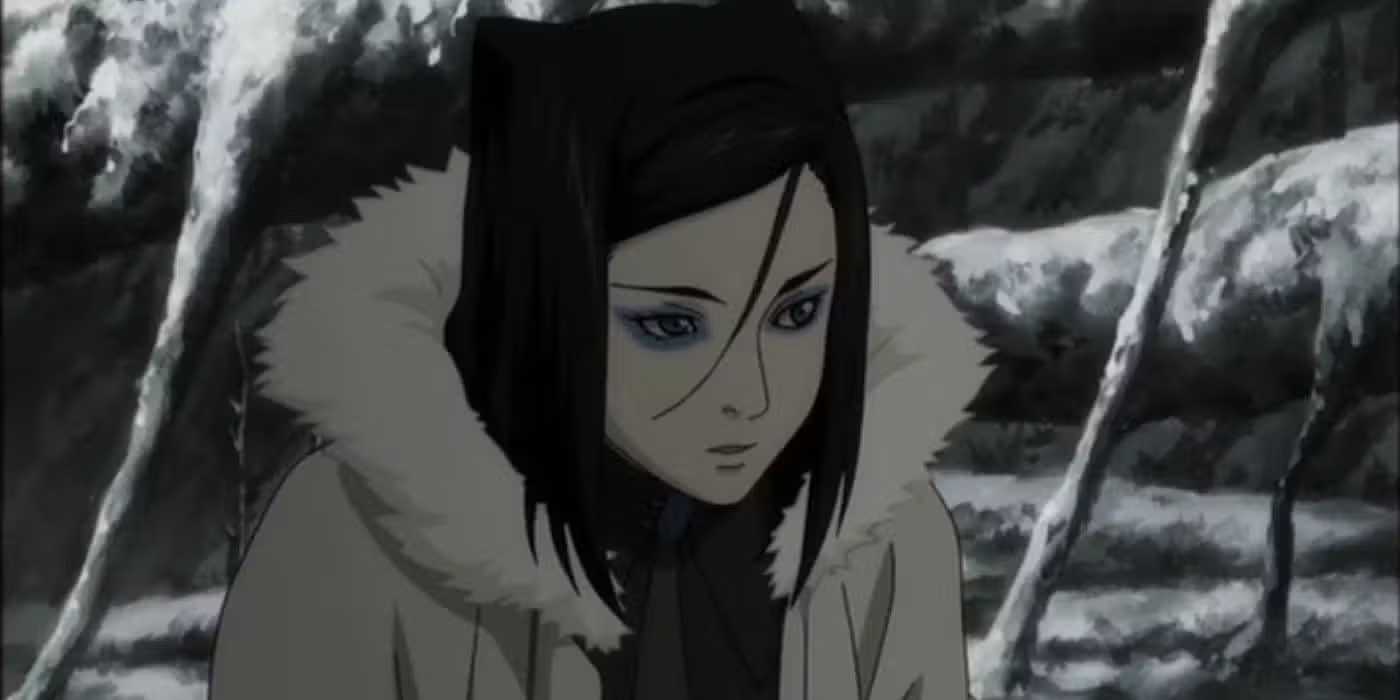 Image via Manglobe
 -
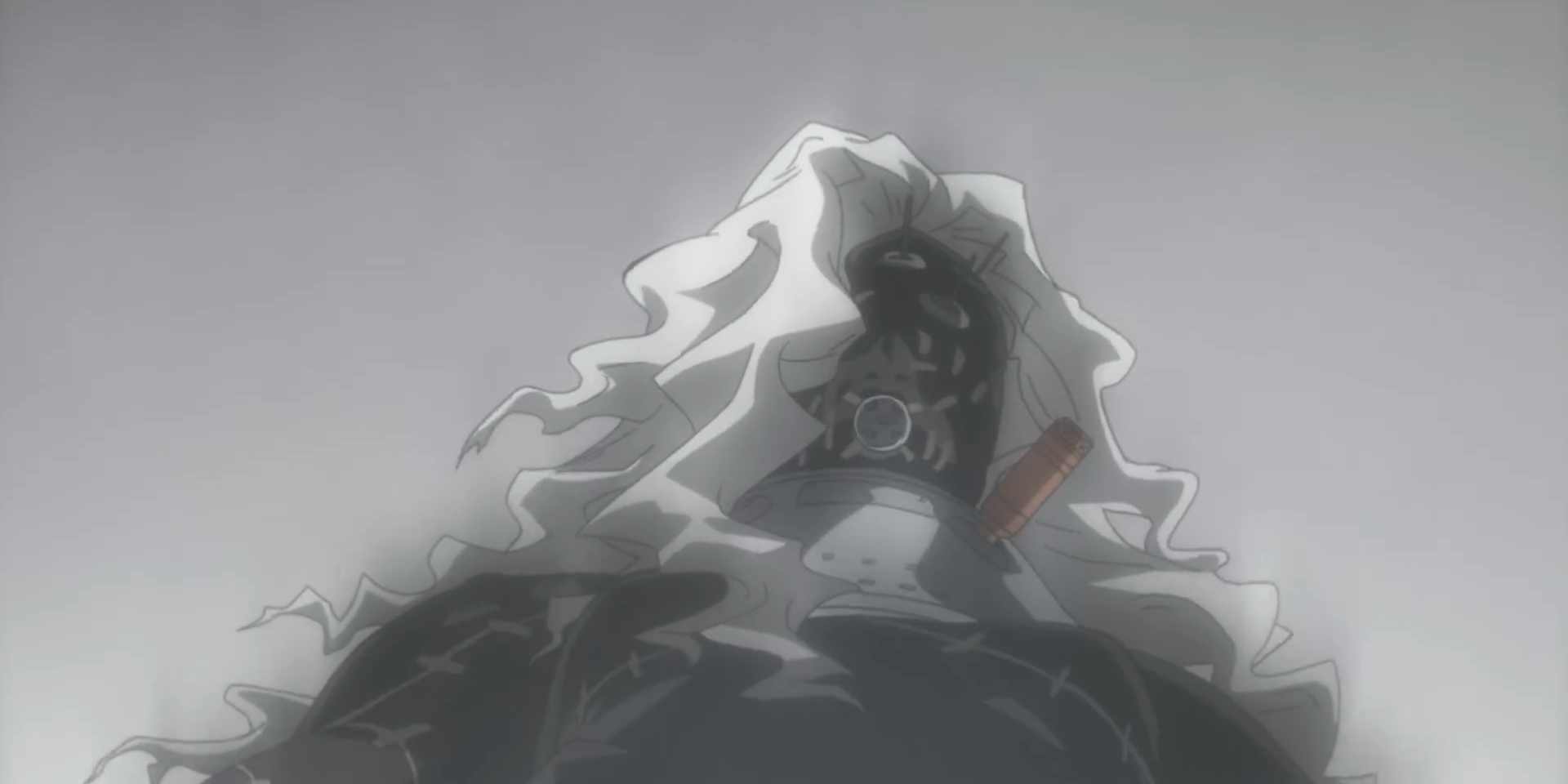 Image via Manglobe
 -
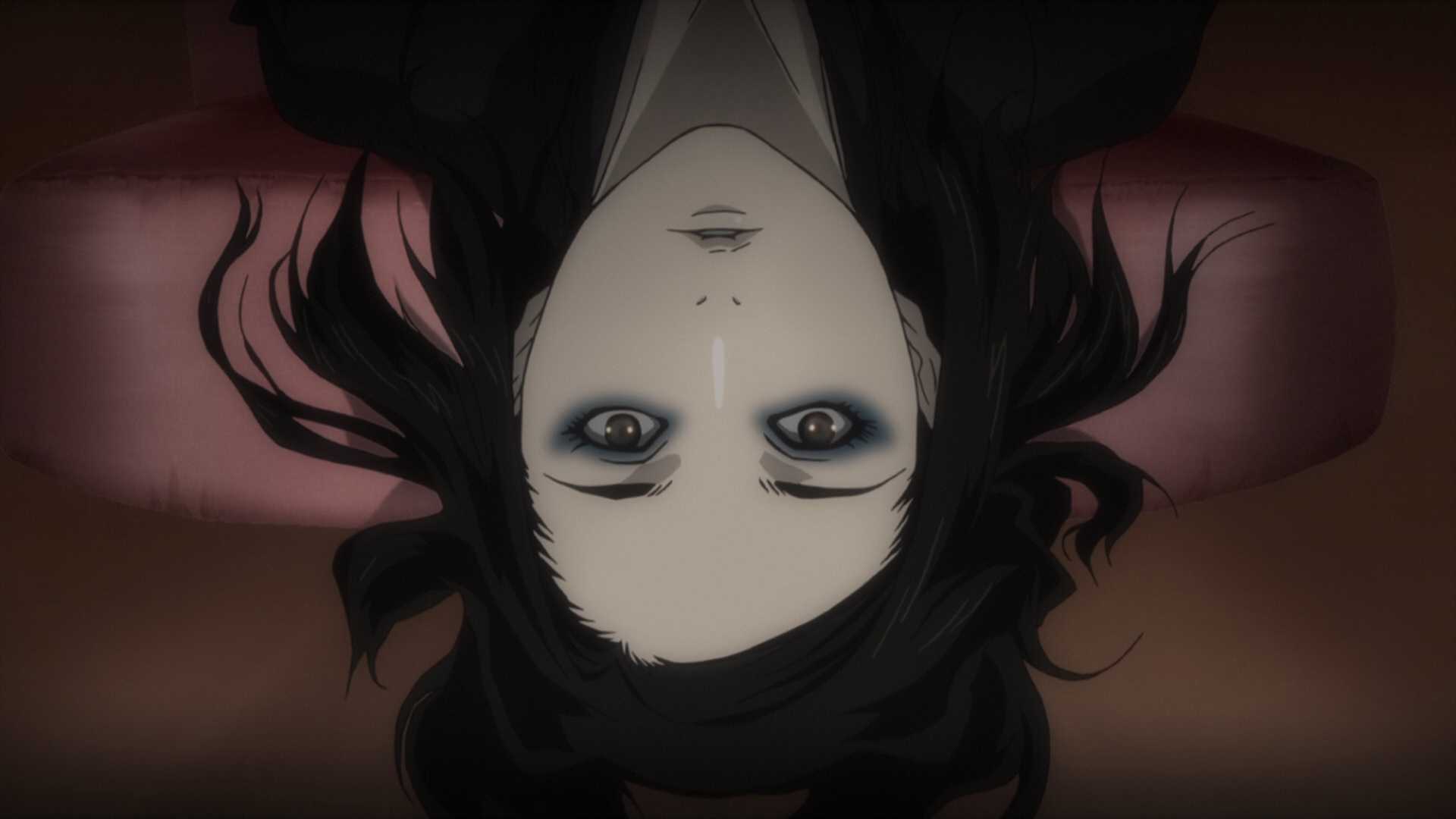 Image via Manglobe
Ergo Proxy merges heavy philosophical concepts with grim psychological suspense, crafting an eerie dystopian world where every twist shatters previous assumptions about reality. Re-l Mayer starts out as a rigid, methodical investigator, but her quest for answers evolves into an introspective journey questioning her own humanity and societal programming. The series demands patience, steadily expanding its intricate mythos while keeping the character stakes grounded.
Furthermore, Ergo Proxy feels substantially richer upon repeat viewings because its multi-layered storytelling invites completely fresh interpretations instead of relying on cheap plot twists. Vincent Law’s internal struggles with his suppressed identity inject immense emotional resonance into the world-building, while young Pino’s childlike innocence provides a poignant counter-balance that reinforces the central themes of free will and consciousness.

Last Exile conjures up a breathtaking, steampunk-infused universe where sky-high aerial navigation, grand political rivalries, and intimate personal motivations seamlessly intertwine. Protagonists Claus Valca and Lavie Head begin as talented freelance vanship couriers, but their routine delivery flights drag them into a continent-spanning war that dictates the fate of nations. The production expertly balances stunning, high-flying aerial combat choreography with delicate character arcs that blossom over time.
Characters like Alex Row, Dio Eraclea, and the diverse crew of the Silvana add fantastic personality and political texture to the overarching plot. Every new territory they map out builds upon the deep historical lore, giving the central cast pressing reasons to challenge their worldview and mature together. Thanks to its imaginative aesthetic and tightly woven narrative, Last Exile has aged gracefully, easily outlasting endless flashy adventure anime that came after it.