
While most anime treats physics as an afterthought the second a giant robot needs to smash through an asteroid, a dedicated subgenre builds entire narratives around strict scientific constraints. In these stories, realistic engineering replaces the “power of friendship,” and logical cause-and-effect drives every narrative escalation rather than convenient plot armor.
Hard sci-fi anime rewards viewer patience by letting scientific principles dictate every decision, obstacle, and breakthrough. This discipline ensures that every triumph feels genuinely earned, every failure has real consequences, and the plot remains rooted in logic rather than narrative shortcuts.
Space Brothers Turns Astronaut Selection Into the Real Drama
-
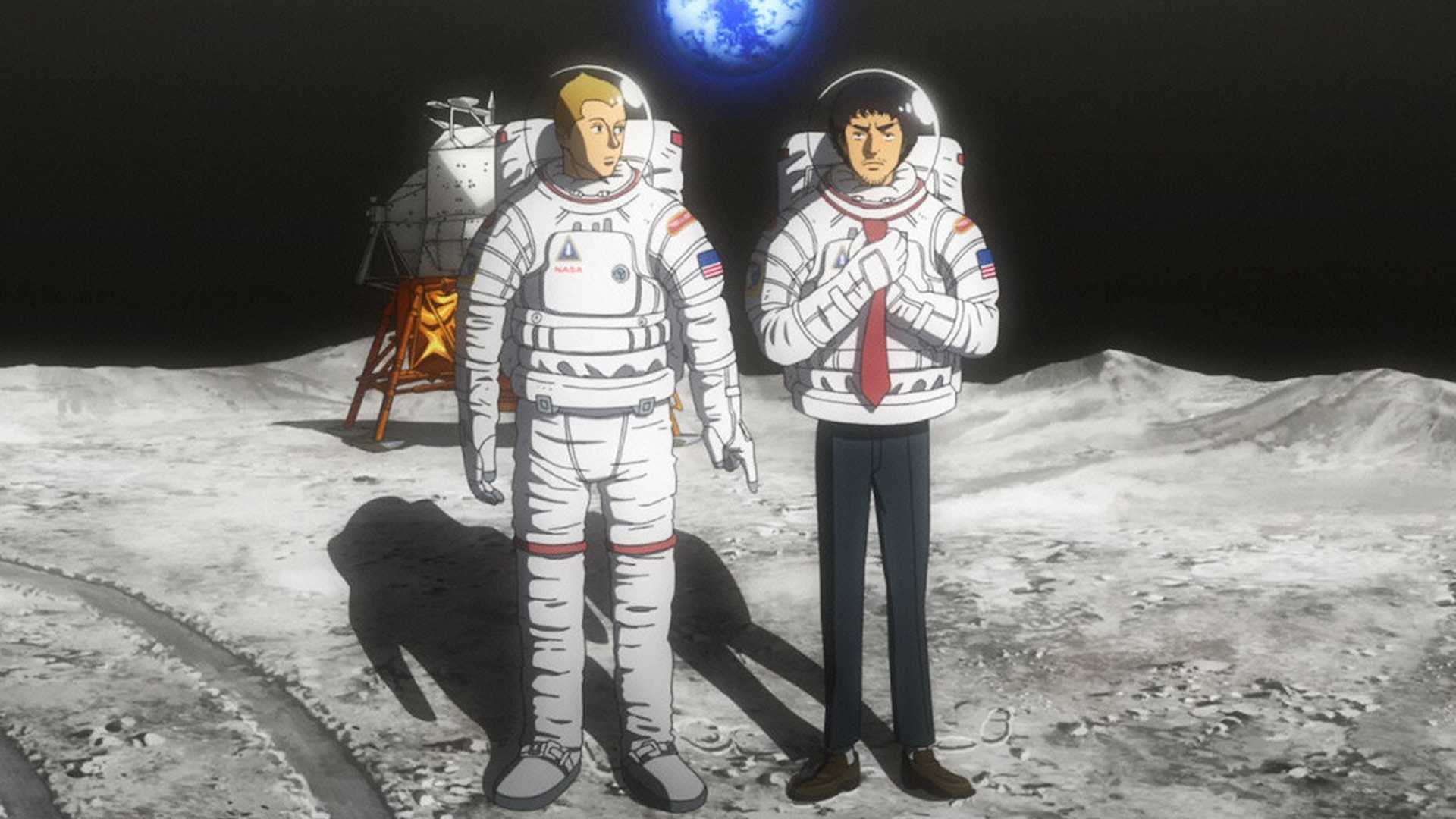 Image via A-1 Pictures
 -
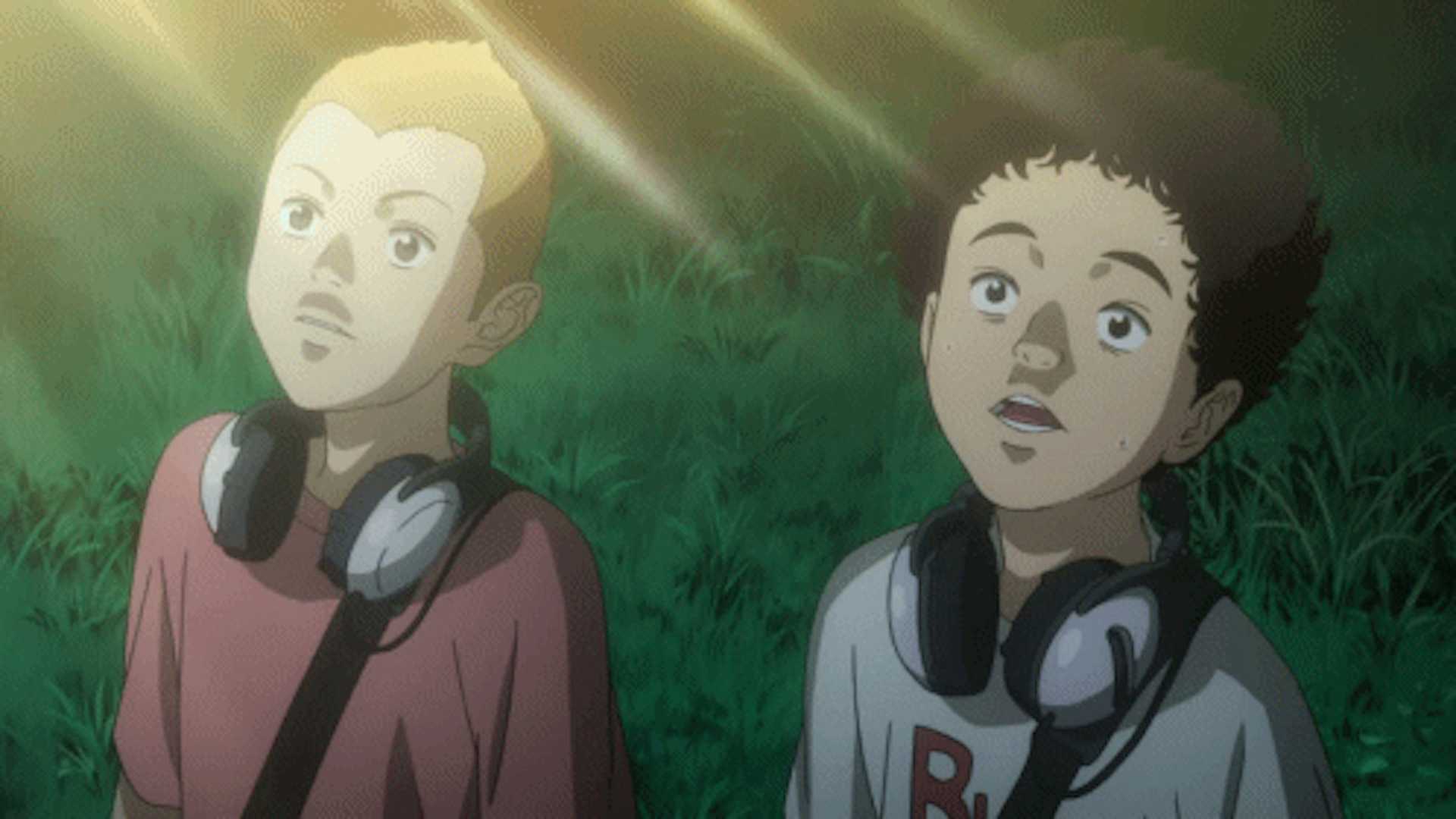 Image via A-1 Pictures
 -
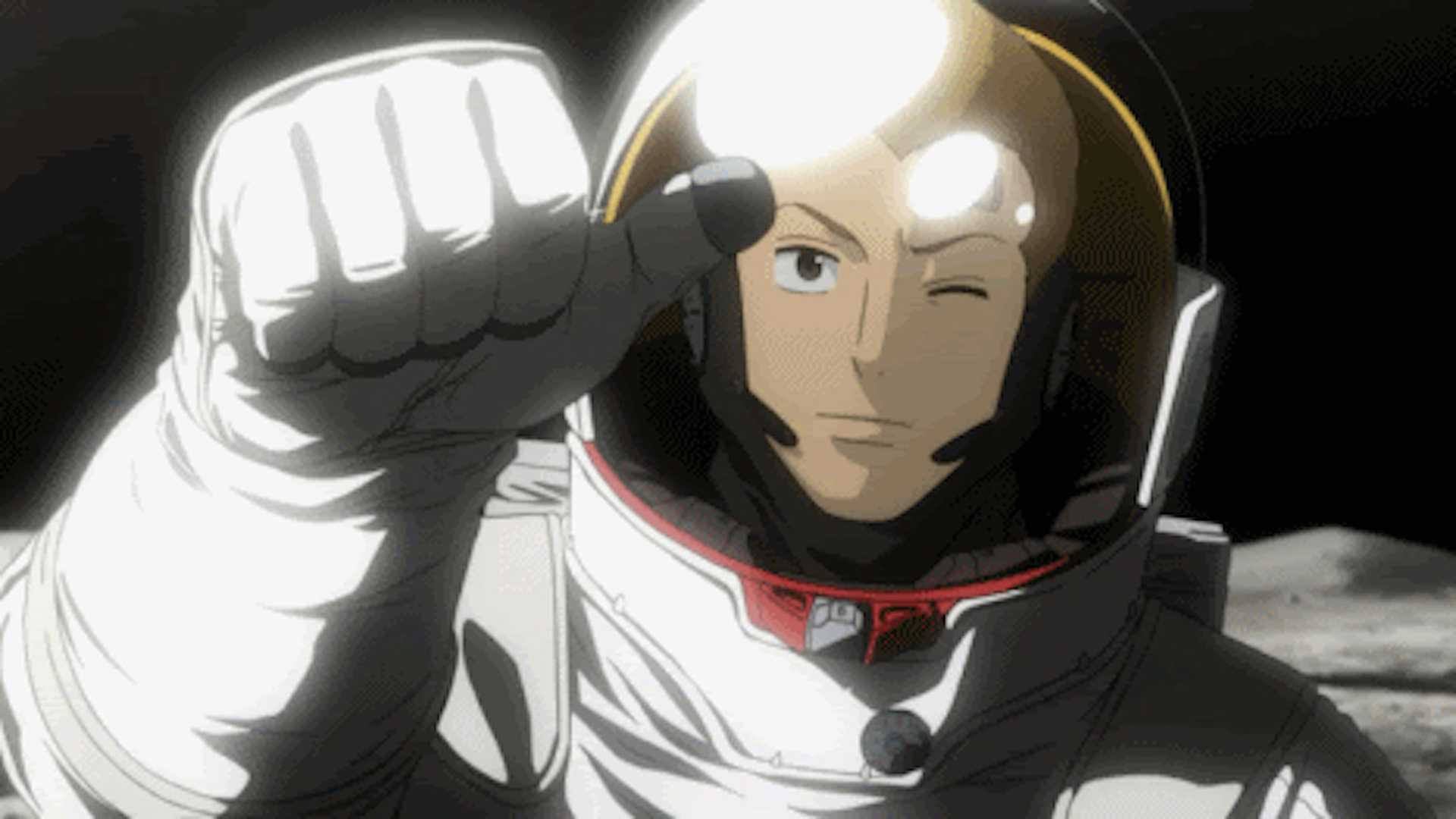 Image via A-1 Pictures
Space Brothers follows Mutta Nanba as he navigates JAXA’s rigorous astronaut screening process—a grueling gauntlet of exams, interviews, and psychological assessments that the series refuses to rush. Because his younger brother Hibito has already made it to NASA and walked on the Moon, Mutta’s struggles carry genuine emotional weight rather than superficial drama.
With real-life astronauts and aerospace specialists advising the production, the selection trials—including grueling centrifuge runs and claustrophobia evaluations—remain authentic. Across its 99 episodes, Space Brothers portrays space exploration as a professional field earned through persistence and resilience, rather than an unearned destiny.
Hibito’s near-tragedy on the lunar surface results in lasting psychological trauma rather than a heroic bounce-back, and Mutta’s painstaking work in CAPCOM demonstrates that reaching orbit takes steady competence over charisma. Throughout the series, hazards like radiation and equipment failure remain ever-present dangers, and Mutta regularly applies practical problem-solving skills learned from his past career as an automotive designer when crises arise.
Guess the anime from the emojis.
🎌
Guess the
Anime
⭐
Guess the anime from the emojis.
Easy (120s)Medium (90s)Hard (60s)
Ghost in the Shell Stand Alone Complex Treats Cyberization as Political Reality

In Ghost in the Shell: Stand Alone Complex, Major Motoko Kusanagi and Section 9 investigate cybercrimes that only emerge because cyberbrains and full-body prosthetics have become everyday civic infrastructure. Rather than hunting a flashy, one-off villain, the iconic Laughing Man inquiry unfolds as a complex web of corporate cover-ups and memory tampering.
The core mystery focuses less on an individual culprit and more on the societal vulnerabilities that allow copycats and imitators to exploit institutional blind spots. Director Kenji Kamiyama treats technology as a procedural reality rather than a futuristic aesthetic, ensuring that every digital breach carries specific tactical consequences for Section 9.
Incidents involving firewall penetrations, ghost-hacking, and digital surveillance follow strict, internal rules that Kusanagi’s unit must navigate rather than magically bypass. Furthermore, the show’s exploration of decentralized mass behavior serves as a driving thematic force across entire multi-episode arcs rather than a fleeting concept.
Armored Trooper VOTOMS Makes Its Mechs Disposable Military Hardware

Protagonist Chirico Cuvie pilots a Scopedog in Armored Trooper VOTOMS, a series that constantly reminds viewers that its titular mechs are mass-produced, expendable military equipment rather than legendary war machines. Set against a century-long war of attrition between the Gilgamesh Confederation and the Balarant Union, pilots are dismissively dubbed “Bottoms” because their survival rate inside these hydraulic metal coffins is appallingly low.
Thin armor offers virtually no protection once enemy fire connects, meaning pilot skill can only compensate for so much. Combat relies on mechanical limitations like ammunition caps, ground mobility via wheeled feet, and terrain adaptation rather than flashy energy weapons or miraculous transformations.
Chirico’s pursuit of answers regarding his betrayal forms a compelling conspiracy narrative across multiple episodes. Furthermore, the machinery itself is governed by practical constraints like maintenance routines and fuel consumption, forcing pilots to retreat or scavenge spare parts from destroyed units instead of powering through on sheer determination alone.
Super Dimension Fortress Macross Grounds Its War in Fuel and Diplomacy

Super Dimension Fortress Macross strands the crew of the SDF-1 amid an alien Zentradi armada, balancing high-stakes Valkyrie dogfights with realistic refugee logistics and political diplomacy. Pilot Hikaru Ichijyo’s transformable fighter utilizes an engineering-focused design rather than relying on unexplained upgrades.
Damage sustained early in the campaign continues to plague the massive vessel, requiring the crew to constantly improvise repairs using whatever components are available. Meanwhile, the Zentradi military culture is disrupted not by superior firepower, but by exposure to human culture and music, making Lynn Minmay’s pop career an unexpectedly powerful diplomatic tool.
By focusing on supply chain shortages, military fatigue, and cultural friction, Macross creates a narrative where peace feels hard-earned through political and social developments rather than magically resolved off-screen.
Planetes Finds Danger in Orbital Debris Instead of Alien Invasions
-
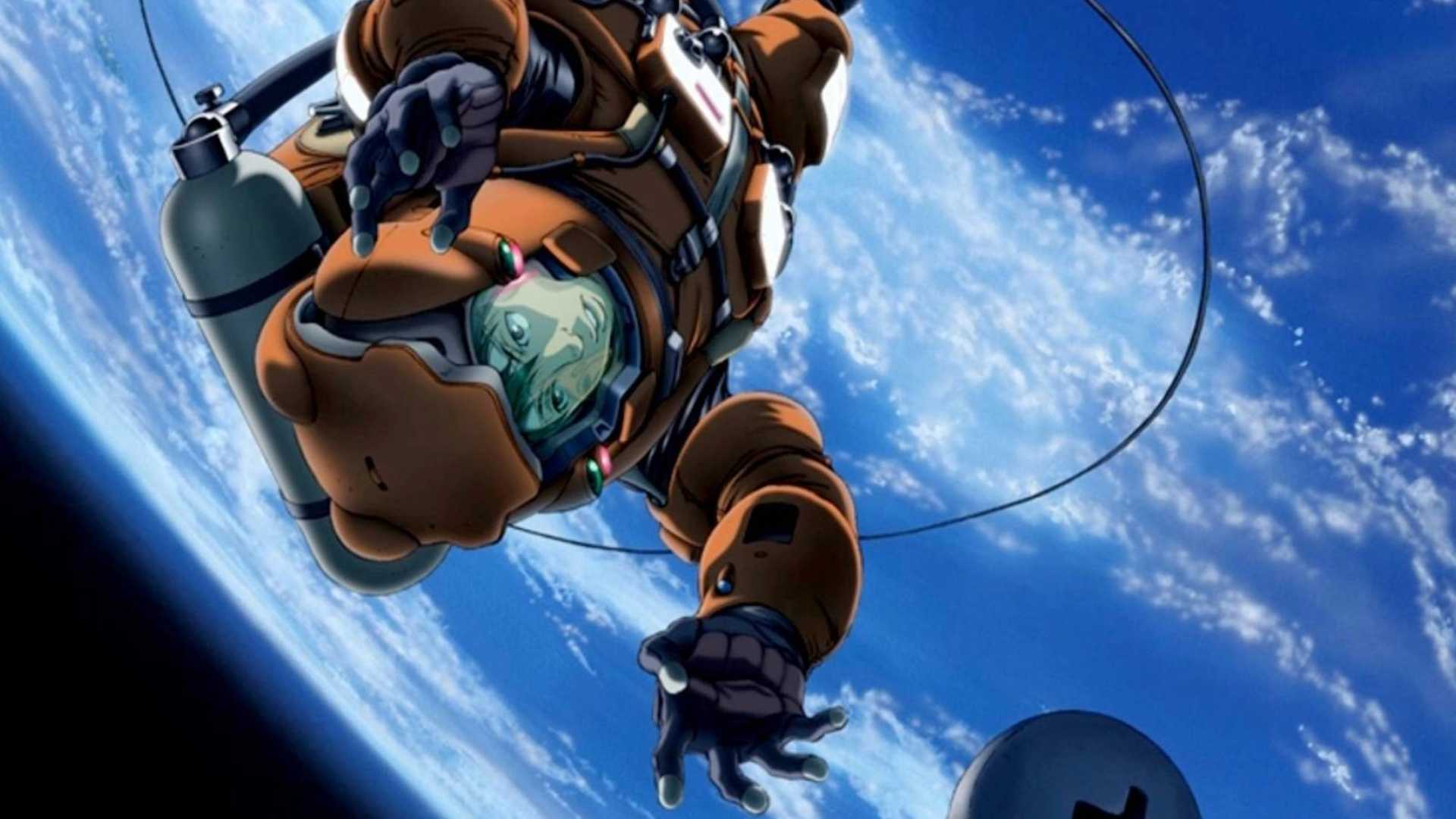 Image via Sunrise
 -
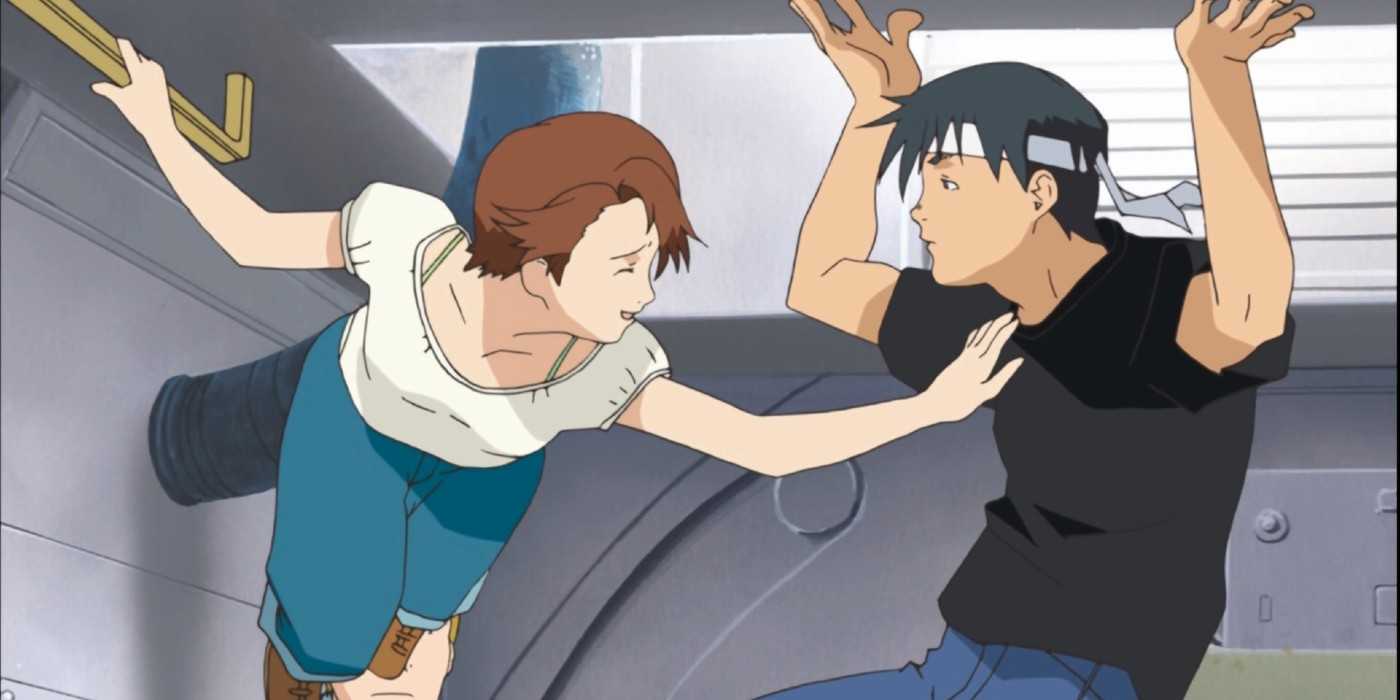 Image via Studio Sunrise
 -
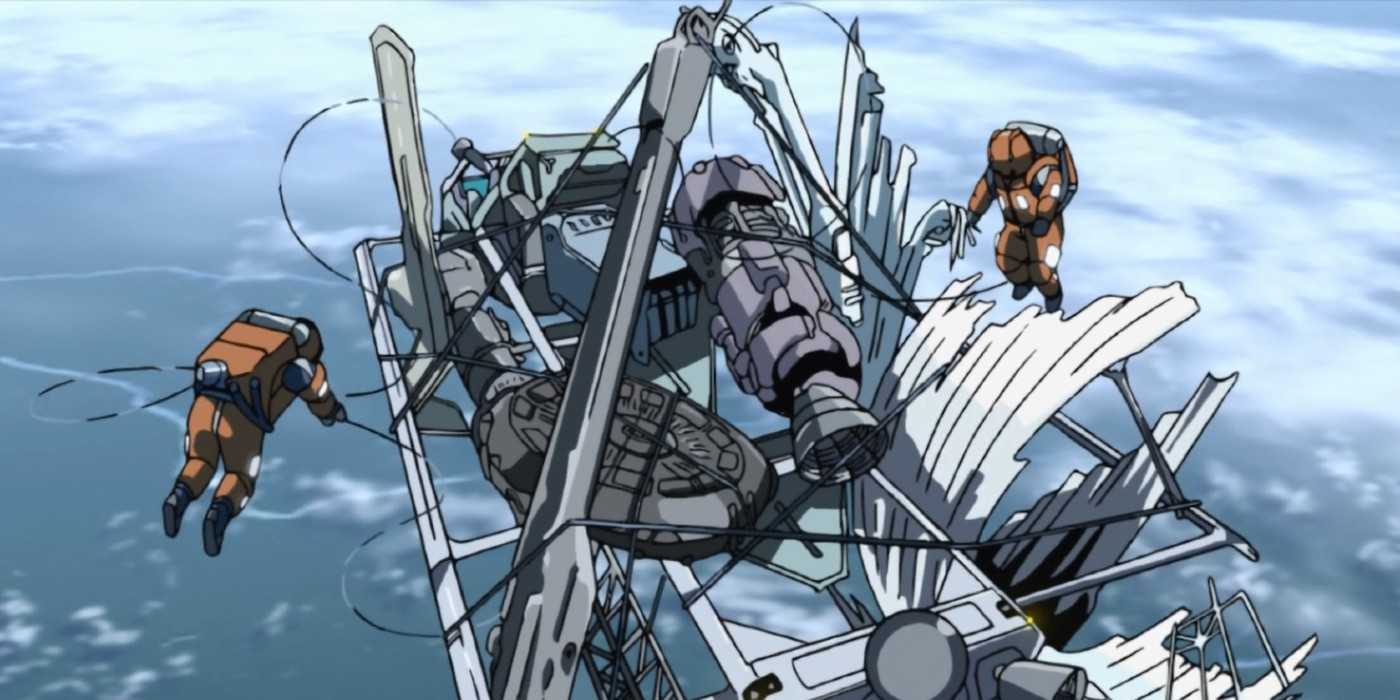 Image via Studio Sunrise
In Planetes, characters like Hachimaki Hoshino and Ai Tanabe work aboard the debris-collection ship Toy Box, hauling scrap metal and defunct satellites out of orbit simply to make a living. Set in the year 2075, the series depicts space labor as blue-collar work defined by corporate bureaucracy, EVA suit maintenance, and the physical toll of zero-gravity environments over a long career.
Orbital debris poses a constant, lethal threat, where a single stray bolt traveling at high velocity can spell disaster. The series highlights these hazards through harrowing near-misses rather than grand space battles. Hachimaki’s personal ambition to own a ship drives much of the narrative, while Ai’s idealism is continually challenged by corporate budget cuts and resource shortages.
Den-noh Coil Treats Augmented Reality as Childhood Infrastructure

Set in Daikoku City, Den-noh Coil follows Yasako Okonogi as she navigates a town where augmented reality visors serve as communication tools, virtual pets, and digital playgrounds for local children. Creator Mitsuo Iso establishes firm technological rules for software glitches known as “Illegals,” which kids manipulate using homemade hacking tools instead of relying on magical powers.
The central mystery revolves around children getting pulled into the hidden layers of the city’s network—a thoroughly technological threat rather than a supernatural one. Led by Yasako’s grandmother, a kid-run detective agency handles investigations with the careful deduction and evidence-gathering of a classic mystery procedural, ensuring that every case leaves meaningful, lasting consequences for the characters.
Noein To Your Other Self Builds Its Stakes on Quantum Observation

Haruka Kaminogi wields the Dragon Torc in Noein: To Your Other Self, an artifact of quantum entanglement that anchors infinite branching timelines. Karasu, an older alternate-reality version of her childhood friend Yuu Gotou, is sent by the dystopian future faction La’cryma to protect her, driven by the loss of his own timeline’s version of Haruka.
The antagonist, Noein, represents another future variant of Yuu whose attempts to manipulate timelines escalate the conflict far beyond a simple good-versus-evil battle. By incorporating concepts like quantum observation, parallel universes, and free will within the real-world setting of Hakodate, Hokkaido, the series grounds its cosmic stakes in a tangible, lived-in environment.